

Angela L. Dunning
Partner
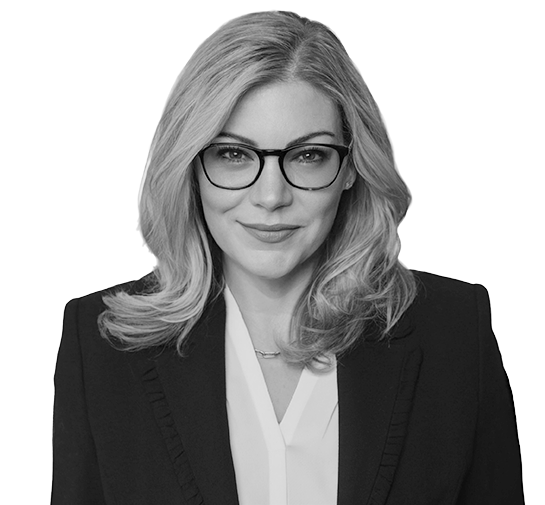
“She’s fantastic, probably the best outside counsel partner I've ever worked with. She’s a brilliant writer, and a strategic and aggressive thinker.”
Chambers USA
“Angela is a phenomenal lawyer. She gets the issues and thinks strategically.”
Chambers USA
“Her guidance is clear and well-reasoned. She provides leadership with strategic foresight and is incredibly reliable.”
Chambers USA
A “high-caliber trial lawyer,” and a “great writer and strategist who leaves no stone unturned in developing her positions.”
World Trademark Review
Angela Dunning’s Chambers-recognized practice focuses on generative AI, copyright, trademark, technology, contract disputes, and other complex commercial litigation for the world’s top companies.
She has tried numerous cases to a jury verdict and has substantial experience in the federal appellate courts, including successful arguments before the U.S. Court of Appeals for the Ninth Circuit in high-profile, published IP cases.
In 2008, Angela served as an assistant district attorney in San Francisco under then-District Attorney Kamala Harris. She teaches trademark law at UC Berkeley School of Law and is a thought leader and frequent speaker on AI and IP issues.
Notable Experience
-
Meta Platforms, in numerous lawsuits alleging copyright infringement and related claims arising out of the training and output of Meta’s large language generative AI models, securing summary judgment in Kadrey that Meta’s training of its model constitutes fair use.
-
Google, in Elliott v. Google, securing summary judgment and Ninth Circuit affirmance following argument that the GOOGLE trademark is not generic, and in Autodesk v. Google, defending Google against claims of trademark infringement directed to Google’s generative AI image and video platform, GOOGLE FLOW.
-
Midjourney, a prominent generative AI image platform, in connection with a first-of-its kind putative class action asserting copyright, trade secret, DMCA and right of publicity claims.
-
Blurb in the “Monkey Selfies” copyright suit, Naruto v. Slater, procuring dismissal and Ninth Circuit affirmance following argument on the ground that animals, as non-humans, lack statutory standing under the Copyright Act.
-
eBay in Close v. Sotheby’s, obtaining dismissal on copyright preemption grounds and Ninth Circuit affirmance following argument of claims asserted under the California Resale Royalty Act.
-
Meta Platforms, procuring dismissal with prejudice in two different trademark and unfair competition cases—one of which, Dfinity Foundation v. Meta Platforms, was recognized by Law360 as a top trademark decision of 2022.
-
23andMe in a trademark dispute with Ancestry.com over rights to the term “ancestry.”
-
AliExpress, Broadcom, Google/YouTube, Etsy, Cantor Fitzgerald, Anheuser Busch, Sazerac, Zipline, Olive AI, Wish (ContextLogic), and Playboy Enterprises in various other trademark and copyright litigation matters.
Publications
Courts Grapple with Privilege Implications of AI
The Open Questions in U.S. Generative AI Copyright Litigation
California Enacts Landmark AI Safety Law But With Very Narrow Applicability
White House Releases Action Plan Outlining America’s Path to Global AI Leadership
Generative AI: Practical Considerations for Companies and Boards
Georgia Court Dismisses Defamation Lawsuit Against OpenAI Over ChatGPT Output
Thaler v. Perlmutter Further Confirms Human Authorship Required for Copyright Protection
Effective Board Oversight as AI Evolves
The EU, UK and US sign international treaty addressing risks of AI
The Subject of AI: New USPTO Guidance on the Subject Matter Eligibility of AI Inventions
After Chevron: What the Supreme Court’s Loper Bright Decision Changed, And What It Didn’t
Anthropic Wins Transfer to California in AI Copyright Lawsuit
Supreme Court Upholds Refusal to Register “Trump Too Small” Trademark
Designing a New Standard for the Obviousness of Design Patents
On Authorship, Animals, Humans, and AI
Fourth Circuit Vacates $1 Billion Damages Award in Music Piracy Lawsuit
European Supervisory Authorities Publish Report on BigTech firms in EU Financial Services
Events
-
October 6, 2026
-
June 22, 2026
-
June 3, 2026
-
April 23, 2026
-
March 25, 2026
Center for Strategic & International Studies LeadershIP 2026
-
March 20, 2026
-
March 6, 2026
-
January 26, 2026
-
October 28, 2025
-
September 29, 2025
-
August 28, 2025
-
March 26, 2025
-
January 28, 2025
-
January 24, 2025
-
January 22, 2025
-
December 4, 2024
Balancing Risk to Reward: How Businesses Can Embrace AI with Legal Confidence
-
December 4, 2024
-
November 21, 2024
32nd International Film Festival of the Art of Cinematography
-
October 31, 2024
-
October 22, 2024
-
October 17, 2024
-
July 11, 2024
Artificial Intelligence in the Boardroom: What Board and Senior Executives Need to Know
-
June 25, 2024
-
June 6, 2024
-
May 16, 2024
-
April 23, 2024
-
April 11, 2024
-
April 5, 2024
-
March 27, 2024
-
March 8, 2024
-
March 1, 2024
-
November 3, 2023
-
October 29, 2023